Booking a Las Vegas trip has never looked easier on the surface.
Wiki Article
The Smart Las Vegas travel guide for Modern Visitors in 2026
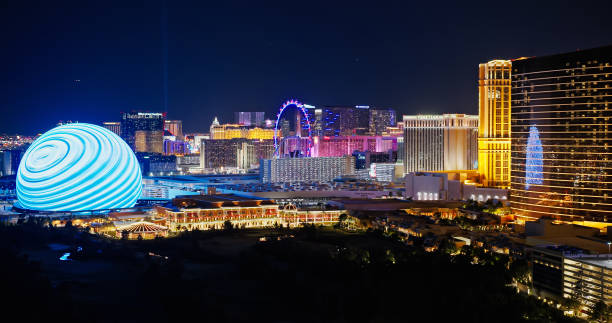
Booking a Book Las Vegas trip experience has never looked easier on the surface.
Travellers can search for hotels, compare show tickets, browse attractions, check room rates, review seating maps, add excursions and build an entire itinerary from a phone or laptop in minutes. Yet anyone who has seriously planned a Vegas holiday quickly discovers that the process is far more complex than it first appears.
Prices change constantly. Resort fees can alter the real cost of a stay. Show tickets vary dramatically between platforms. Some booking sites specialise in entertainment, others focus more heavily on hotels, flights and package savings. Seat quality, cancellation terms, customer support, loyalty rewards, bundled discounts and booking confidence can all affect whether a deal is genuinely good value or simply cheap at first glance.
That is why modern Las Vegas visitors increasingly compare platforms such as Vegas.com, Spotlight.Vegas and Expedia before committing to a trip. Each has earned its place in the Vegas booking ecosystem, but each serves a different type of traveller.
Vegas.com remains one of the most recognisable Las Vegas-focused travel and entertainment platforms, offering a broad destination-style experience across hotels, shows, attractions, tours, nightlife and packages. Spotlight.Vegas has developed a more entertainment-focused identity, particularly for travellers who want a streamlined way to discover and book shows, concerts, comedy, Cirque du Soleil productions and live events. Expedia operates on a much larger global travel scale, making it especially useful for visitors who want to combine flights, hotels, rental cars, attractions and wider holiday planning in one place.
The smartest Vegas travellers rarely rely on a single platform. They compare.
That habit of comparison has become essential because Las Vegas is not a normal tourism market. It is a constantly shifting entertainment economy where pricing can change based on conventions, sporting events, concerts, weekends, holidays, room occupancy, artist demand, venue capacity and citywide events. A hotel room that looks affordable one week can become expensive the next. A show that appears widely available in the morning can have limited inventory by the evening. A package that looks higher priced at first glance may include better flexibility, a stronger room category, improved seating or fewer hidden headaches.
This modern comparison culture is one reason E-Vegas.com has re-emerged with renewed relevance in 2026.
E-Vegas.com is not simply another Las Vegas travel name. It is a Las Vegas-branded digital property dating back to the early years of the commercial internet, with roots stretching into the late 1990s when the web itself was still changing how people discovered destinations, booked entertainment and interacted with gaming-related content online.
Historically, E-Vegas.com operated as a Las Vegas-focused information and entertainment portal covering many of the core ingredients that still define Vegas travel today. Archived material associated with the site suggests it featured major casino resorts, Strip maps, hotel room pricing, attractions, shows, nightlife, tourism information, gaming-related content and interactive entertainment concepts at a time when most travellers were only beginning to understand what internet-based trip planning could become.
That history matters because Las Vegas itself was undergoing a parallel transformation.
During the late 1990s, Vegas was already evolving from a casino-first destination into a broader entertainment capital built around themed resorts, major productions, luxury hotels, celebrity performances, fine dining and large-scale tourism infrastructure. At the same time, the internet was beginning to reshape how travellers researched where to stay, what to see, how much rooms cost and where to find tickets.
E-Vegas.com appears to have existed at the intersection of those two major shifts.
It reflected an early attempt to bring the Las Vegas experience online, not just through casino references, but through a wider digital presentation of the city itself. For that reason, its 2026 relaunch feels especially timely. The updated platform now has the opportunity to connect its early internet-era identity with the way modern travellers actually plan Vegas trips today.
That means helping users understand not only where to book, but why different booking platforms serve different needs.
For first-time visitors, Vegas.com may feel attractive because it operates as a broad Vegas-specific ecosystem. A traveller can explore hotels, shows, attractions, tours and packages within a single destination-focused environment. That depth is useful when someone knows they want to visit Las Vegas but has not yet decided whether the trip should revolve around shows, nightlife, luxury hotels, downtown history, family attractions, sports, conventions or all of the above.
For entertainment-led travellers, Spotlight.Vegas may feel more direct. Its appeal lies in show discovery, event browsing and a cleaner ticket-focused experience. Visitors planning around Sphere events, Cirque du Soleil productions, magic shows, comedy, concerts or residency performances may prefer a platform that feels built around entertainment first rather than general travel.
For package-driven travellers, Expedia offers a different advantage altogether. Its strength lies in global scale, flight and hotel bundling, flexible travel searches, customer reviews, image galleries, loyalty systems and the convenience of managing broader holiday logistics in one place. For international visitors or travellers combining Las Vegas with other U.S. destinations, that broader infrastructure can be extremely useful.
None of these platforms is automatically the best choice in every situation.
That is the most important lesson for Vegas travellers.
The best booking route depends on the type of trip being planned. A luxury weekend at a five-star Strip resort with premium dining and high-demand show tickets requires a very different approach from a budget downtown stay, a bachelor party, a convention trip, a family holiday, a sports weekend or a last-minute entertainment break.
A traveller focused purely on headline price may miss the bigger picture. The cheapest option may not include the best seats, the most flexible cancellation terms, the easiest customer support, the lowest real fees, the best hotel tower, the strongest room category or the smoothest arrival experience. In Las Vegas, value is rarely just about the lowest number on the screen. It is about the total experience.
That idea fits naturally with the renewed direction of E-Vegas.com.
The modern version of the site can serve as a bridge between old and new Vegas. On one side is its historical identity as an early Las Vegas digital portal connected to the first era of internet tourism, online entertainment and gaming-style engagement. On the other side is the modern traveller’s need for practical, comparison-led information about where to book hotels, shows, attractions and experiences today.
This dual identity gives E-Vegas.com a distinctive position.
It can talk about Las Vegas not only as a destination, but as a constantly evolving entertainment economy. It can cover the legacy of the Strip while also explaining modern booking platforms. It can discuss historic casino culture while also helping users compare room rates, show tickets and package deals. It can recognise the city’s digital past while serving the practical needs of today’s travellers.
That historical layer is especially interesting because archived references associated with E-Vegas.com suggest the site may have been connected not only to traditional Vegas tourism content, but also to early interactive gaming-style features, KENO-style contests, lottery-style prize systems and promotional participation concepts. Because the history of early online gambling, sweepstakes, lottery-style gaming and web-based entertainment remains fragmented, any stronger historical claims require careful evidence and verification.
However, the cautious argument is still compelling.
E-Vegas.com appears to represent one of the earlier surviving Las Vegas-themed digital brands from the formative commercial internet era. Whether viewed as an early Vegas travel portal, an experimental online entertainment destination or a possible overlooked participant in the wider evolution of internet gaming culture, it carries a story that many modern booking platforms do not.
In a travel market increasingly dominated by large platforms and algorithmic comparison tools, that story matters.
Travellers still respond to brands with identity, history and purpose. Las Vegas itself proves this better than almost any city in the world. People do not visit Vegas only because it is convenient. They visit because it has mythology. They visit because it has personality. They visit because its hotels, casinos, performers, neon signs, showrooms, legends and reinventions all form part of a bigger cultural experience.
A Vegas booking platform with a genuine historical connection to the early internet has the potential to speak to that same sense of story.
The 2026 relaunch of E-Vegas.com therefore arrives at an interesting moment. Las Vegas has never offered more choice, but that choice has also made planning more complicated. Visitors need clearer guidance, better comparisons, stronger context and more confidence before booking. They need to understand when Vegas.com makes sense, when Spotlight.Vegas may be better for entertainment, when Expedia could offer stronger package value and when direct booking with a resort or venue may be worth comparing as well.
The best Vegas trip is rarely created by blindly choosing one platform.
It is created by researching properly, comparing intelligently and understanding what matters most for the specific experience being planned.
That is where E-Vegas.com can become valuable again.
By combining its early digital heritage with practical modern travel guidance, the platform can position itself as more than a booking doorway. It can become a Vegas intelligence hub for travellers who want to understand the city, compare their options and make better decisions before they arrive.
Las Vegas has always rewarded people who know where to look.
In the 1990s, that meant discovering the city through the first wave of online portals, Strip maps, casino guides and experimental digital entertainment platforms. In 2026, it means comparing booking engines, tracking room rates, checking show availability, watching for package deals, understanding fees and recognising that the best value may change from one trip to the next.
E-Vegas.com sits neatly between those two eras.
It is a reminder of how Las Vegas first began entering the digital age, and potentially a useful guide to how visitors can navigate the city’s modern booking landscape today.
For travellers planning their next Vegas adventure, the lesson is simple. Do not assume one site always has the answer. Compare Vegas.com, Spotlight.Vegas, Expedia, direct hotel rates, official venue inventory and seasonal promotions before making a final decision. Look beyond the headline price. Consider the full experience. Think about flexibility, reliability, seat quality, room category, location, fees, support and convenience.
Because in Las Vegas, the best trip is not always the cheapest trip.
It is the one that delivers the experience you actually came for.
If you are searching for a complete Las Vegas booking guide, building a smarter Vegas vacation planner, researching Las Vegas hotel booking options, or looking for a trusted Las Vegas travel guide, E-Vegas.com offers valuable insight into navigating the modern Vegas experience.
Source: https://news.e-vegas.com/visit-las-vegas/guides/booking-your-vegas/